Full or partial clearance
For a whole property, selected rooms or bulky items, including sorting requirements and access considerations.
Explore this serviceIndependent information and enquiry service — we do not carry out clearances ourselves. How the service works
Independent information and enquiry service
Practical, respectful help for full and partial clearances, probate properties, landlords and flats — with transparent information about who handles the work.
A useful quote depends on the property, volume, access and items involved. Choose the closest starting point and explain anything unusual before work is agreed.
For a whole property, selected rooms or bulky items, including sorting requirements and access considerations.
Explore this serviceA slower, more deliberate process for estate property, personal papers, keepsakes and potentially valuable items.
Read the careful approachClear information about authority, keys, parking, communal access, lifts and end-of-tenancy documentation.
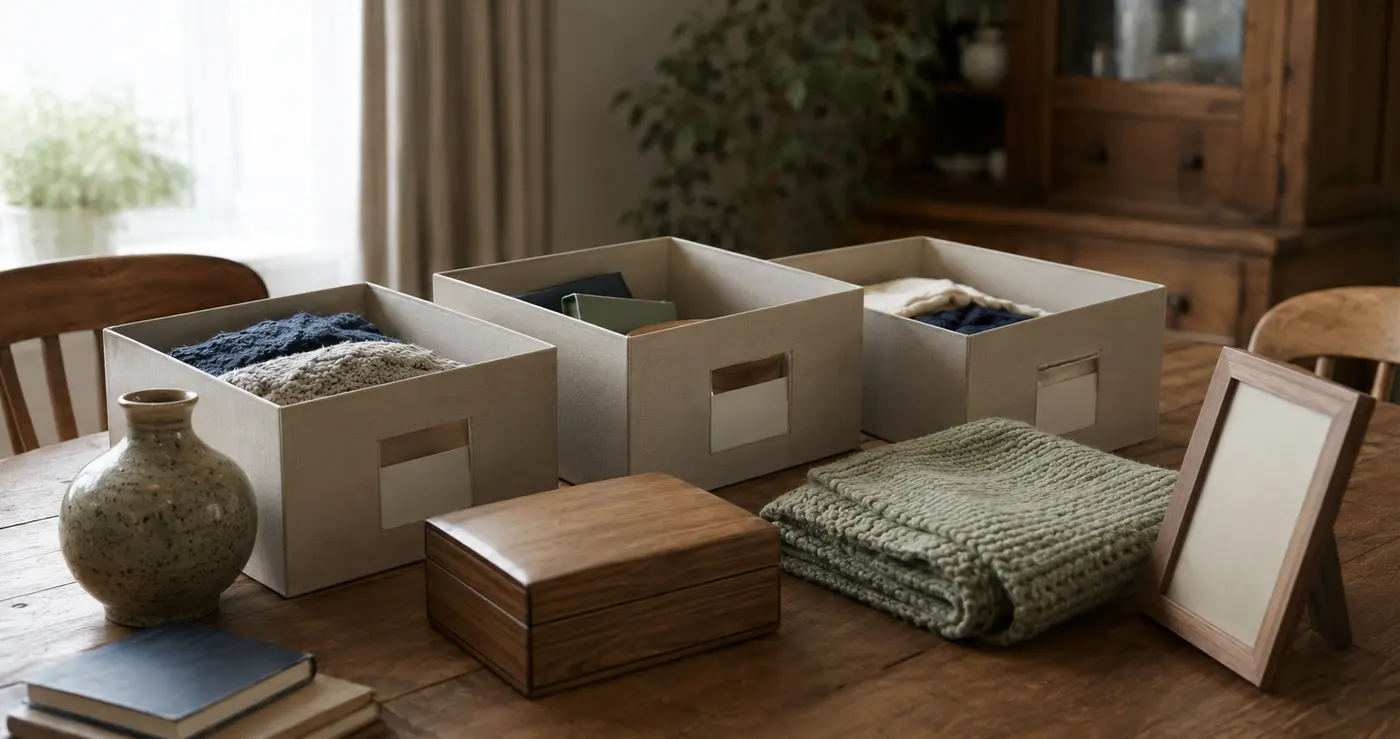
For property professionalsBefore a clearance is agreed, identify what must be kept, reviewed, valued, donated or removed. Cash, jewellery, photographs, documents and collectables need a deliberate process — especially where an estate or absent owner is involved.
Provide the property type, postcode area, approximate scope, timeframe and access considerations.
When routing is live, your details go only to the operator named on the form and only with your permission.
The operator assesses the work, explains disposal routes and paperwork, agrees the price and carries out any work.
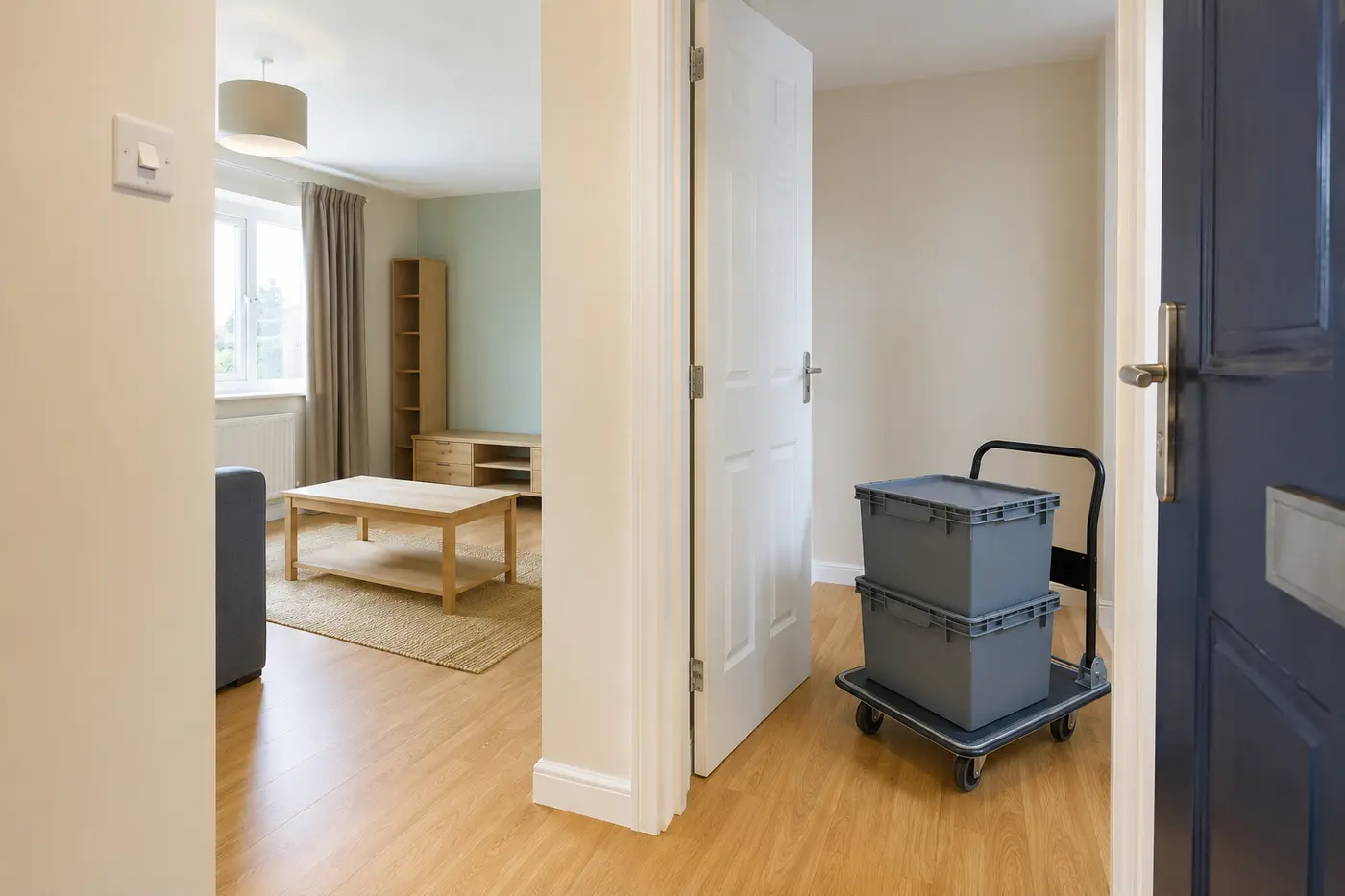
Many Southampton clearances involve flats, controlled parking, narrow streets or shared entrances. A useful enquiry should mention the floor, lift availability, walking distance to the vehicle and any known building restrictions.
A house-clearance price cannot be judged from bedroom count alone. Operators normally need to consider volume, labour, vehicle loads, disposal fees, access and specialist items.
More items, dense materials and multiple loads normally increase labour and disposal charges.
Stairs, lifts, parking distance and dismantling can change the time and crew needed.
Appliances, mattresses and regulated or prohibited materials need to be identified before quoting.
Careful separation, documentation and valuation take longer than a straightforward removal.
Not always, but the contractor must verify that you have authority to instruct the work and agree a secure process for keys, access and evidence. Do not put key codes in the initial website form.
No. Asbestos, chemicals, gas cylinders, clinical waste, sharps, liquids and other regulated items may need a separate specialist. Declare uncertain items before accepting a quote.
Sometimes an operator may propose an offset, but it should never be assumed. Any valuation and deduction should be itemised and accepted in writing.
Ask who is carrying the waste, check the registration shown against the Environment Agency public register and retain the paperwork supplied for the work.
Tell us the property type, approximate scope and access considerations. The quote page will also show whether live operator routing is currently available.